CNC Machining
CNC Machinable Materials — the Factory's Grade-by-Grade Table
What each aluminum, stainless, brass, titanium and engineering-plastic grade actually costs to machine, where it shines, and what MOMAKING keeps in stock in Shenzhen.
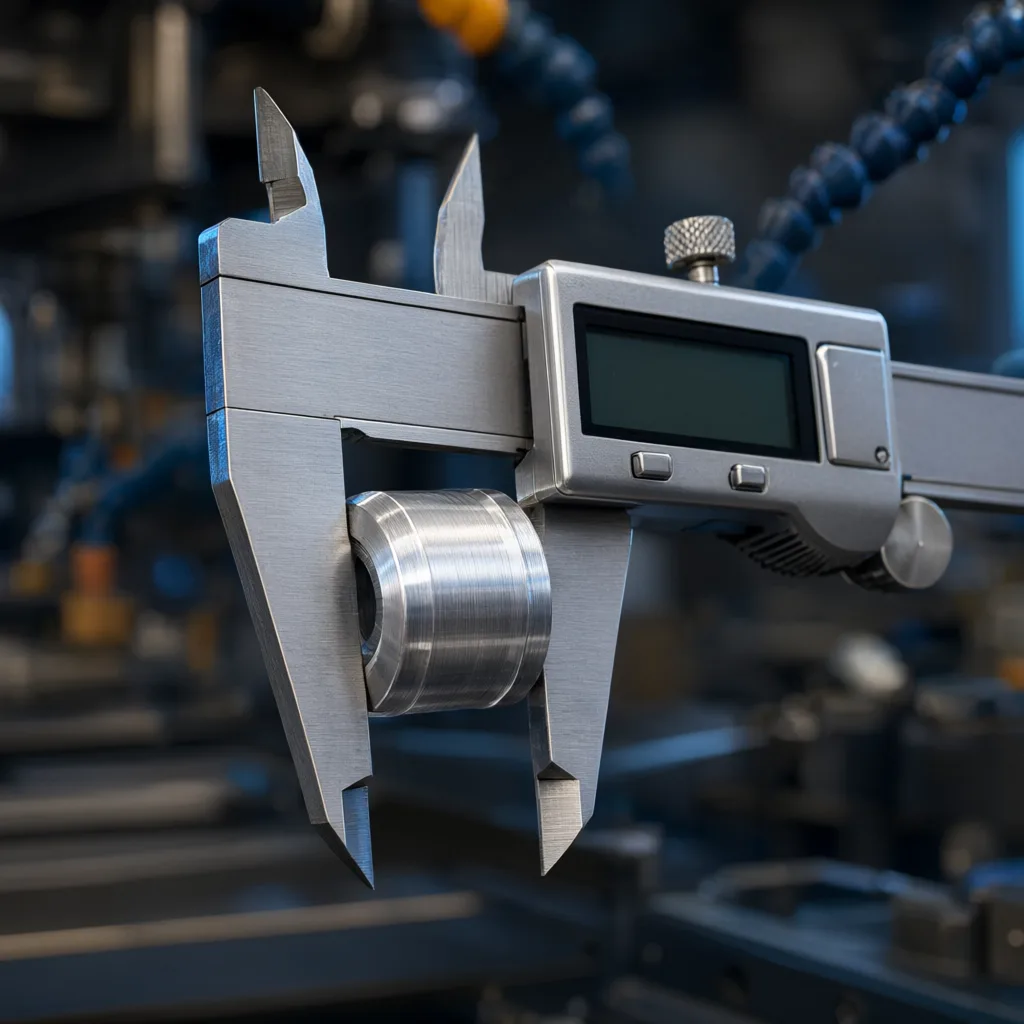
Material is half the quote. The same bracket in 6061, 304 stainless and Ti-6Al-4V can span an order of magnitude in cost — not because of stock price alone, but because machinability drives every minute of cycle time. This table is the grade-by-grade view our quoting engine works from; it also tells you what we keep in the warehouse versus what we order for your job.
CNC Machinable Materials Table
| Grade | Family | Machinability | Typical Use at MOMAKING | Stock |
|---|---|---|---|---|
| Aluminum 6061-T6 | Al-Mg-Si | Excellent | General-purpose housings, brackets, plates; anodizes clean | In stock |
| Aluminum 7075-T6 | Al-Zn-Mg-Cu | Good | High-strength aerospace/drone structure; harder to anodize color | In stock |
| Aluminum 5052 / 6082 | Al alloys | Excellent | Sheet-side parts, marine housings, faceplates | In stock |
| Stainless 304 | Austenitic SS | Good | Food/medical hardware, corrosion-resistant brackets | In stock |
| Stainless 316 / 316L | Mo-bearing SS | Good | Marine, chemical, medical implants hardware | In stock |
| Stainless 17-4PH | Precip-hardened | Fair | High-strength shafts and fasteners; H900 condition on request | On order |
| Mild steel 1045 / 12L14 | Carbon steel | Very good | Shafts, studs, machined hardware to be plated | In stock |
| Tool steel P20 / 718H | Pre-hard mold steel | Fair | Mold plates, die inserts, fixtures | In stock (mold shop) |
| Brass C360 / C377 | Free-machining brass | Best-in-class | Fittings, valves, electrical hardware, decorative parts | In stock |
| Copper C110 | Pure copper | Fair (gummy) | Conductors, thermal parts; PCD tooling used | On order |
| Titanium Gr2 / Gr5 (Ti-6Al-4V) | Alpha / alpha-beta | Difficult | Medical, aerospace, high strength-to-weight; rigid setups only | On order |
| Inconel 625 / 718 | Ni superalloy | Very difficult | High-temp hardware; scheduled campaigns | Campaign |
| POM / Delrin | Acetal homopolymer | Excellent | Gears, wear strips, jigs; near-zero moisture uptake | In stock |
| ABS | Amorphous | Excellent | Enclosure prototypes, cosmetic covers; paints well | In stock |
| PMMA (acrylic) | Cast/extruded | Excellent | Clear windows, light pipes; flame-polish possible | In stock |
| PEEK | PEEK | Good (rigid fixturing) | High-temp, chemical, medical insulators; expensive stock | On order |
| Nylon PA6 / PA66 | Polyamide | Good | Bushings, rollers; pre-dried before cutting | In stock |
| PVC rigid | Vinyl | Good | Fixture plates, chemical ducts; watch heat softening | In stock |
Reading the Table
Machinability is shop experience, not datasheet theory: brass C360 ejects chips like candy and lets us run high spindle speeds; copper gums tools and needs PCD edges; titanium demands low speed, high feed, rigid fixturing and constant coolant, which is why the same geometry in Gr5 costs multiple times the aluminum version. Stock marks what is on the shelf in Shenzhen today — in-stock grades skip the 3–7 day mill purchase and go straight onto the machine.
Choosing by Function, Not Habit
- Stiff and light: 6061 default; 7075 when stress says so — remember 7075 anodizes in greys, not crisp colors.
- Corrosion: 304 covers most; 316 for chloride/marine; aluminum + anodize for weight-critical outdoor.
- Wear without oil: POM against steel or aluminum; nylon when noise and impact matter more than stiffness.
- Heat and chemicals: PEEK above ~120 °C or aggressive media; ABS and acrylic give up early.
- Electrical: brass and copper machine into terminals and shields; POM and PEEK isolate them.
Material Certification and Sourcing
Production orders carry material declarations; certified mill certs (composition and mechanical test reports from the stock supplier) are available on request for regulated programs. If your drawing calls a specific certified grade — AMS, ASTM, implant-grade — say so at RFQ: certified routes change lead time and cost, and the quote should show that honestly instead of silently substituting.
Not sure which grade fits? Write two sentences about what the part does and where it lives; our engineers will pick the cheapest material that survives the job and mark the alternative on the DFM report. Send drawings to [email protected] or WhatsApp +1 315-623-3808.
Frequently Asked Questions
Do you stock all these grades?
Can you machine exotic alloys like tungsten or Inconel?
Which plastic is cheapest to machine?
Will you substitute a cheaper material without asking?
Three Real Alloy-Swap Stories
6061 → 5052 for a marine bracket: a customer spec'd 6061-T6 for a boat-accessory bracket; the loads read 40% of capacity with margin to spare, and the real enemy was chloride pitting at the weld. 5052-H32 — the marine sheet alloy — bent instead of cracking during their install abuse, took the same black anodize, and quoted 15% under because stock plate is cheaper here. Nobody paid for strength the boat never asked for.
304 → 17-4PH, then back: a medical shaft was upgraded to 17-4PH H900 by a cautious engineer — triple the machinability penalty. A load-cell test showed 304 cold-worked journal zones at 3× actual duty; they went back to 304 with a nitride treatment at the bearing band, saving the program its annual margin.
POM → PEEK at 121 °C: a packaging wear-plate lived 200 hours on a steam-adjacent line at 110–125 °C; POM creeps when hot. A 40% cost jump to PEEK bought 6,000-hour life — the right kind of expensive. Material selection is a duty-cycle equation, and the duty cycle, not the datasheet, should sit in the driver's seat.
Stock Reality: How Availability Moves Lead Time More Than Machining
Ask any machinist what actually blows schedules: not spindle speed, purchasing. In-stock grades (6061, 304, brass 360, 12L14, POM, most of the table's core band) start cutting same-week. On-order mill purchases add 3–7 working days in the Shenzhen supply belt — times two if your grade is special thickness or a certified heat with no local stock. Titanium and Inconel sit beyond that on mill lead. Practical countermeasures that cost nothing to ask about at RFQ: (1) Can we build from an adjacent plate/bar size with a mill pass you'd otherwise pay for anyway? (2) Does an equivalent national standard (e.g. GB 6061 vs ASTM 6061 composition windows) satisfy your documentation, for a bigger stock pool? (3) For certified programs, quote the cert route now — the 5–10 day heat-sourcing cycle belongs in your launch plan, not in an apology email later.
One more honesty item on the table's Machinability column: it is a machine-rate multiplier, not a trivia score. “Excellent” brass and steel can run 400+ sfm class cuts; “difficult” titanium runs a tenth of the metal-removal rate with three times the tool consumption, and the quote should show it. If two identical parts in different alloys come back at only 20% apart, someone is hiding risk in the price; when we machine Ti we show the multiplier and explain the toolpath discipline that contains it.
Why machinability moves price more than material cost. On a typical mid-size bracket, stock is 10-25% of the quoted price; the rest is the hours the part spends in the machine and the tool wear it consumes. That ratio is why the table's Machinability column is the price column in disguise: brass C360 runs at the top of the speed range and its chips clear themselves; 304 stainless work-hardens under a timid feed and punishes it with work-hardened ridges and blown inserts the next pass; Ti-6Al-4V holds heat in the tool and demands slow, constant engagement with high-pressure coolant; PEEK machines almost like aluminum but its stock costs ten times a bar of POM. The 25% of your quote that is metal is largely fixed by the alloy's commodity price; the 75% that is machine time is a negotiation between the machinist's parameters and the alloy's temperament — and that negotiation is the quote. Two identical drawings in two alloys do not price proportionally to density or datasheet cost; they price proportionally to metal-removal rates, tool-life multipliers and the number of setups the material's behavior forces. This table gives the multipliers; the quote multiplies them against your geometry, and if a material swap is on the table, both lines arrive printed side by side.
Machinability ratings here reflect shop-proven parameters on our machines in our grades, with our tooling; national-standard equivalents (GB/AISI/DIN) of the same composition window perform the same at cut, and the stock pool is larger than the brand names in the table suggest.
Get this part priced
Upload your STEP file - AI quote in seconds, engineer-verified quote within 24 hours.